


Pharmacy Assistant: The Complete Guide to Education, Career Rights & Salary
.webp?v=240416001)
Thinking about a career in healthcare but not sure where to start? A career as a Pharmacy Assistant is one of the most accessible—and at the same time, one of the most in-demand—professions in the healthcare sector.
In this guide, you'll discover everything you need to know: what a Pharmacy Assistant does on a daily basis, how much they earn, where they can work, whether they can own or operate a pharmacy, and how you can become a Pharmacy Assistant by completing a two-year vocational program at SBIE Higher Vocational Training Institute (SAEK).
What Is a Pharmacy Assistant?
A Pharmacy Assistant is a trained healthcare professional who supports the day-to-day operations of a modern pharmacy, working alongside a licensed pharmacist. Far more than just a store employee, a Pharmacy Assistant possesses specialized knowledge in pharmacology, chemistry, and the handling and management of pharmaceutical products. Their expertise helps ensure the safe, efficient, and professional delivery of pharmaceutical services while contributing to high-quality patient care.
What Does a Pharmacy Assistant Do?
A Pharmacy Assistant performs a wide range of responsibilities that require both technical expertise and excellent communication skills. Their key duties include:
- Processing prescriptions and dispensing medication under the supervision of a licensed pharmacist
- Preparing pharmaceutical and compounded (galenic) formulations under a pharmacist’s supervision
- Assisting and advising customers on medications, dietary supplements, and cosmetic products
- Managing inventory, stock control, and product orders
- Processing electronic prescriptions and handling health insurance reimbursement procedures
- Maintaining records, managing the cash register, and performing administrative tasks
- Following health, safety, and Good Pharmacy Practice (GPP) standards to ensure the safe operation of the pharmacy
Where Can a Pharmacy Assistant Work?
A Pharmacy Assistant can pursue a variety of career opportunities across the healthcare and pharmaceutical sectors. Common employment settings include:
- Private community pharmacies (the most common career path)
- Pharmaceutical wholesalers and medical supply distribution companies
- Hospital pharmacies in public and private hospitals
- Healthcare centers, private clinics, diagnostic laboratories, and outpatient medical centers
- Pharmaceutical companies, research laboratories, and manufacturing facilities
- Healthcare, rehabilitation, and long-term care organizations
- Public sector healthcare institutions through government recruitment procedures, where applicable
Pharmacy Assistant Salary
A Pharmacy Assistant's salary depends on factors such as professional experience, geographic location, and the type of employer (community pharmacy, pharmaceutical wholesaler, hospital, or public sector). Based on the applicable sectoral collective labor agreement and 2026 market data, typical gross monthly salaries are:
- Entry-level (0–3 years of experience): approximately €900–€1,050 gross per month
- 3–6 years of experience: approximately €1,050–€1,250 gross per month
- Specialized roles or pharmaceutical wholesalers: up to €1,400+ gross per month
- Public sector positions: Salaries are determined according to the applicable government pay scale.
It is worth noting that demand for qualified Pharmacy Assistants remains consistently high. As a result, many employers—particularly in major cities such as Athens and Patras—offer salaries above the minimum sectoral rates to attract and retain skilled professionals.

Pharmacy Assistant Scope of Practice: What Can and Cannot They Do?
One of the most common questions among aspiring Pharmacy Assistants is whether they can own a pharmacy or work independently. The answer is defined by Greek legislation, which clearly outlines the responsibilities and limitations of the profession.
A Pharmacy Assistant May Perform Independently:
- Assisting customers and selling over-the-counter (OTC) medications
- Managing inventory, stock control, and product orders
- Processing electronic prescriptions and related administrative procedures
- Selling non-prescription healthcare products, cosmetics, and dietary supplements
- Handling cash register operations and general administrative duties
- A Pharmacy Assistant May Perform Only Under the Supervision of a Licensed Pharmacist
- Preparing compounded (galenic) pharmaceutical formulations
- Dispensing prescription-only medications
- Providing pharmaceutical guidance related to treatment plans and medication therapy
What a Pharmacy Assistant Is Not Allowed to Do
A Pharmacy Assistant cannot:
- Own or operate a pharmacy solely on the basis of this qualification
- Sign prescriptions or any official pharmaceutical documents
- Practice independently as a licensed pharmacist or perform duties reserved by law for pharmacists
Can a Pharmacy Assistant Open a Pharmacy?
This is by far the most frequently asked question, so it deserves a clear answer.
Under Greek law, the answer is no. The right to establish and operate a pharmacy is reserved exclusively for individuals who hold a university degree in Pharmacy and meet the legal licensing requirements.
A Pharmacy Assistant can work in a pharmacy, take on responsible operational and administrative roles, and build a successful career in the pharmaceutical sector. However, they cannot independently own or operate a pharmacy without a licensed pharmacist.
If your goal is to enter the pharmaceutical industry quickly, earn a recognized vocational qualification after two years of study, and enjoy strong employment prospects, becoming a Pharmacy Assistant is an excellent career choice. If, however, your ambition is to own and operate your own pharmacy, you will need to complete a university degree in Pharmacy and obtain the required professional license.
Pharmacy Assistant Studies: Curriculum & Courses
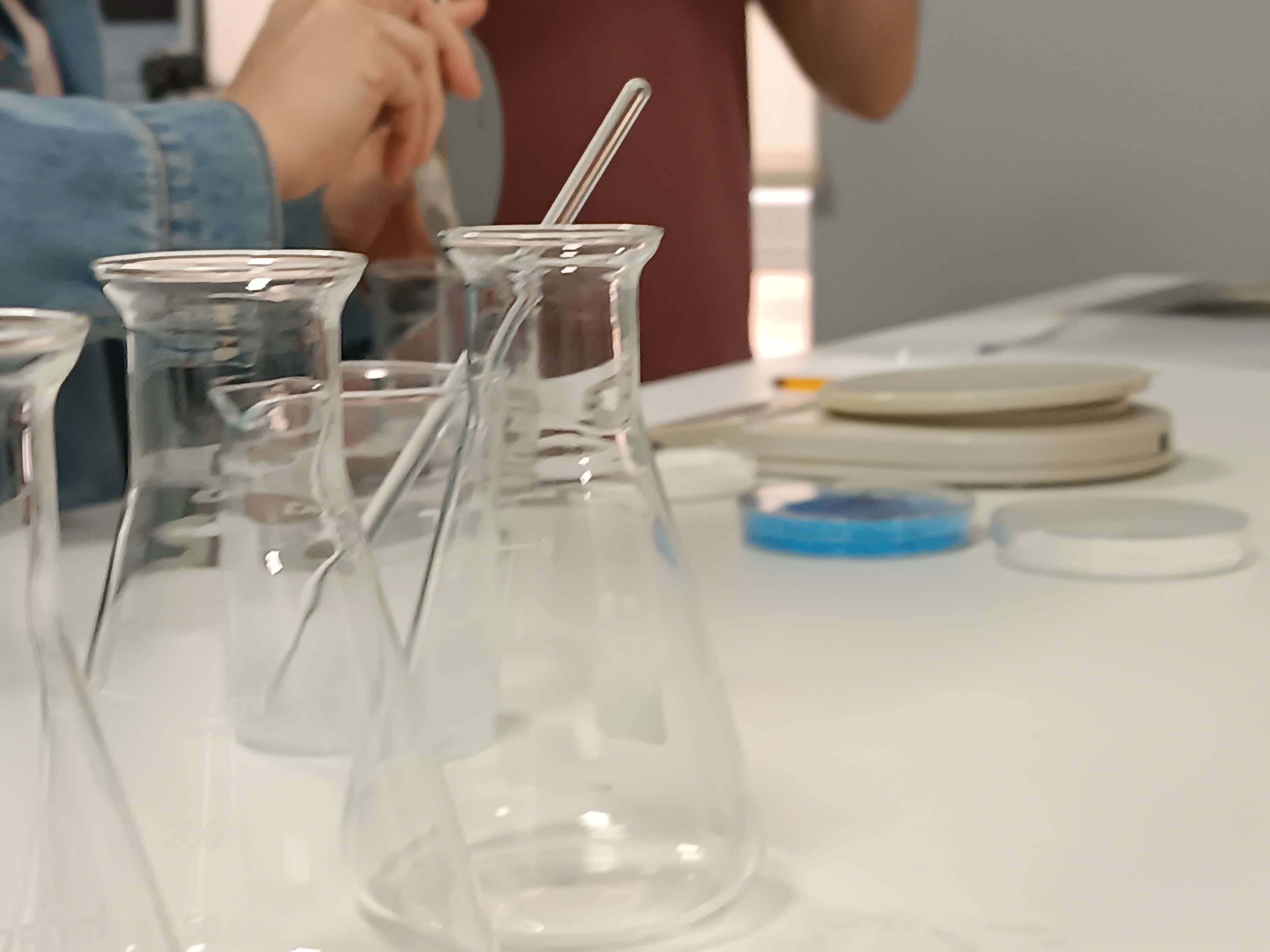
The Pharmacy Assistant program at SBIE Higher Vocational Training Institute (SAEK) is completed over four semesters (two years) and combines classroom instruction with extensive hands-on laboratory training, preparing students for immediate entry into the workforce.
The curriculum includes subjects such as:
- Pharmacology and Pharmaceutical Chemistry
- Galenic Pharmacy and Compounding Techniques
- Human Anatomy and Physiology
- Pharmacy Law and Professional Ethics
- Pharmaceutical Inventory and Stock Management
- Electronic Prescription Processing and Healthcare Reimbursement Systems
- First Aid
- Cosmetics, Dermocosmetics, and Dietary Supplements
Throughout the program, students develop the theoretical knowledge and practical skills required to work confidently in modern pharmacy settings. The curriculum is complemented by practical training, allowing students to gain valuable real-world experience before graduation.
Learn more about the Pharmacy Assistant program and explore the SBIE School of Pharmacy Assistant.
How to Get Started: The Enrollment Process
Enrolling in the SBIE Higher Vocational Training Institute (SAEK) is simple and straightforward. You can submit your interest through the website or contact the admissions team by phone. A dedicated Student Advisor will guide you through every step of the process—from the required documents to available enrollment dates.
No entrance examinations are required. All you need is a high school diploma (or an equivalent qualification).
Classes begin in October, and the program is completed over four semesters (two years). During your studies, you will attend theoretical courses, participate in hands-on laboratory training, and complete practical training in pharmacies and pharmaceutical wholesalers.
Upon graduation, you will be eligible to sit for the EOPPEP certification examinations. Successful candidates receive a State Diploma in Vocational Education and Training (Level 5), officially recognized in Greece and accepted for public sector recruitment procedures where applicable.
Two years. One recognized qualification. A career with strong employment prospects.
Study Pharmacy Assistant in Athens, Patras, or Kalamata
If you're ready to take the next step toward a career in healthcare, the Pharmacy Assistant program is available at SBIE Higher Vocational Training Institute (SAEK) campuses in Athens, Patras, and Kalamata.
At every campus, you'll benefit from:
Small class sizes of up to 20 students
Personalized instruction from experienced educators
Hands-on laboratory training
Access to an extensive network of pharmacies and pharmaceutical companies for practical training and career opportunities
Complete the inquiry form today, and one of our Student Advisors will contact you to provide all the information you need—without any obligation.
Explore all Healthcare programs offered by SBIE Higher Vocational Training Institute (SAEK).


